Houston Senator Carol Alvarado files Senate Bill 237 to legalize marijuana in Texas
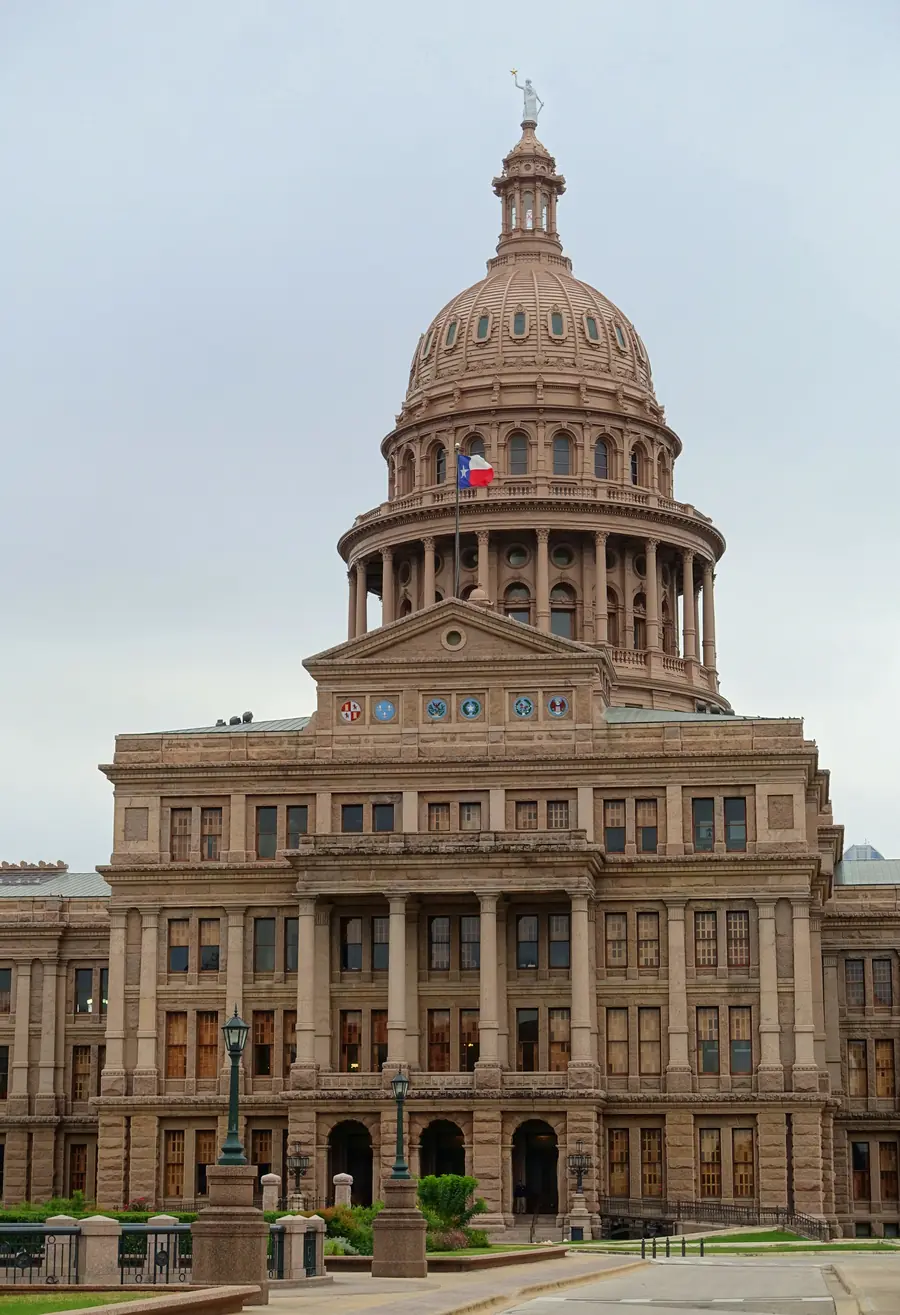
A Houston marijuana legalization bill reached the Texas Legislature on Monday, when state Sen. Carol Alvarado filed Senate Bill 237 to legalize recreational marijuana for adults 21 and older, joining two similar House bills filed the same day.
Alvarado, a Houston Democrat, filed the bill on November 9, the first day lawmakers could submit legislation for the 90th Texas Legislature, which convenes on January 12, 2027. State Reps. John Bucy III of Austin and Joe Moody of El Paso filed House Bill 362 and House Bill 369 the same day. The two House bills are nearly identical 37-page measures, both titled the Texas Regulation of Cannabis Act. Alvarado said in a post on November 9 that she had filed bills to expand Medicaid, allow online voter registration, legalize marijuana and keep small businesses open after disasters. More than 1,000 bills were filed on the first day of prefiling.
The House bills would let adults 21 and older possess, use and transport up to 2 ounces of cannabis, including no more than 15 grams of cannabis concentrate. An adult could also give another adult up to the same amount without payment, as long as the transfer is not advertised or promoted to the public. Texans could grow up to 12 cannabis plants at their private residences, in an area that is enclosed and secured. Cannabis paraphernalia could also be possessed, used, transported or given to another adult without payment. Alvarado’s Senate bill follows the same framework but sets a higher possession limit of 2.5 ounces of cannabis, again with a 15-gram limit on concentrates.
The bills would not make marijuana legal for everyone. Recreational use would stay illegal for people under 21. Selling or giving cannabis to someone under 21 would become an offense, a Class B misdemeanor if the recipient is 18 to 20 years old and a Class A misdemeanor if the recipient is under 18. Driving under the influence of marijuana would remain illegal, as would having or using marijuana at public and private schools, day care centers and jails. Marijuana would also remain illegal under federal law even if Texas changed its own law.
The measures would build a state-licensed industry run through the Texas Department of Licensing and Regulation. The department would issue four new licenses, for cannabis growers, cannabis establishments, cannabis secure transporters and cannabis testing facilities. The House bills would tax the industry with a 15 percent tax on sales from growers to cannabis establishments and a 20 percent retail tax, both on top of regular sales tax. Alvarado’s Senate bill takes a different approach and does not impose new excise taxes. It would raise money through business licensing and application fees instead. The Senate bill would also let counties keep cannabis businesses out, since a licensee could not operate in a county without authorization from an election. The House bills would let local cities and counties regulate sales and the number of stores they allow, but they could not prohibit the industry or restrict it unreasonably.
If the bills passed, they would take effect on September 1, 2027. The Texas Commission of Licensing and Regulation would have until July 1, 2028, to adopt rules for the new system, and the department would have to begin issuing licenses by November 1, 2028. None of the three bills has been referred to a committee yet. Each would have to pass both chambers after the session convenes in January before it could reach the governor’s desk. The full introduced text of Senate Bill 237 is posted on Texas Legislature Online.
The filing carries a direct Houston connection beyond Alvarado’s seat. Houston voters approved Proposition A on November 3, directing the Houston Police Department to make enforcement of low-level marijuana possession its lowest possible priority and banning no-knock warrants. Proposition A changes Houston police enforcement priorities, but it does not legalize marijuana, which remains illegal under Texas law. The three legalization bills would change state law itself.
The bills arrived one week after the November 3 election, in which Democrats won the governor’s office and Democrats won control of the Texas House. Governor-elect Gina Hinojosa defeated Gov. Greg Abbott, and Democrats also won the lieutenant governor’s race. Republicans kept a 19 to 12 majority in the Texas Senate, and every bill needs both chambers to pass. Lt. Gov. Dan Patrick, who presides over the Senate, has long opposed legalization and last year pushed a ban on THC products that Abbott later vetoed. Hinojosa has said she wants Texas voters to decide legalization at the ballot box, a path that would require a constitutional amendment.
Texas currently allows only low-THC medical cannabis under the state’s Compassionate Use Program. House Bill 46, which took effect on September 1, 2025, expanded that program with new qualifying conditions and inhaled vapor forms and called for 15 dispensing licenses in total. A Texas Department of Public Safety list dated December 5, 2025, still showed three active licensees, Fluent, Texas Original and Goodblend. Recreational marijuana remains illegal in Texas, and the new bills would be the first legalization measures filed since Democrats flipped the House and the governor’s office.
Other cannabis bills filed on the same day stop short of full legalization. House Bill 330, from Rep. Mihaela Plesa, would add medical conditions that cause menstrual cramps to the Compassionate Use Program. House Bill 667, from Moody, would change criminal penalties for marijuana concentrate. House Bill 507, from Bucy, would limit drug testing and penalties for many public employees and contractors over legal low-THC or hemp use. The hemp fight stays separate from the legalization bills. Texas has already restricted products containing delta-8, delta-10 and certain other cannabinoids, while qualifying delta-9 products remain legal, and federal restrictions on hemp THC are set to tighten in December. House Bills 362 and 369 leave hemp and consumable hemp products out of the new framework entirely.