
Houston Workplace Safety: Know Your Rights and What to Do After an Injury
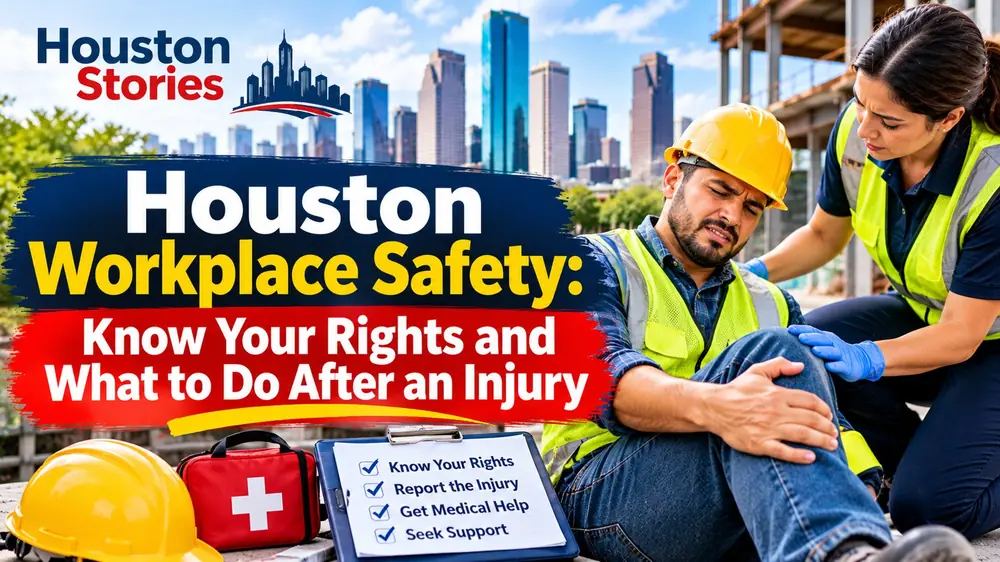
Fewer Houstonians are dying on the job. That is good news for a city built on energy, ports, and building sites. Experts still fear the trend will not last. Texas recorded 557 workplace deaths in 2024. This guide explains your rights and what to do after an injury.
How Dangerous Is Work in Houston
Texas leads the nation in workplace deaths, with 557 in 2024. The state fatality rate stays above the national average each year. Latino workers face the greatest risk, at a rate 30 percent above the average. Harris County ranks highest in Texas for severe construction and heat injuries. Big jobs like the I-10 White Oak Bayou project put many workers on site daily. The George R. Brown second downtown plan will add more building sites by 2028.
What OSHA Requires of Employers
Federal law says every workplace must be free of known dangers. Employers must train workers, give safety gear, and fix hazards they know about. A chemical spill in Channelview showed what happens when those rules fail. OSHA proposed more than $3.5 million in fines after that December 2025 spill. The spill released one million gallons of sulfuric acid and hurt several workers. The OSHA news release on the Channelview fines lists the full set of violations.
Your Rights on the Job
You have the right to a safe workplace and to training you can grasp. You can report unsafe conditions to OSHA without giving your name. Your employer cannot fire you for reporting a hazard or filing a complaint. You can ask to see injury records and safety data sheets at your site. You can refuse work that puts you in clear and present danger. Call OSHA at 1-800-321-6742 if your employer will not fix a hazard.
What to Do After an Injury
Get medical care first, even if the injury looks small at first. Tell your supervisor in writing on the same day if you can. Write down what happened, who saw it, and what safety gear you had. Keep copies of medical bills, photos, and every message about the injury. Ask your employer whether it carries workers’ compensation insurance. Texas workers’ compensation rules say coverage is a choice for private employers.
Why Texas Workers’ Comp Is Different
Texas is the only state where private employers can skip workers’ compensation coverage. Employers who skip it are called non-subscribers, and they face more risk in court. About one in four Texas employers was a non-subscriber in 2024. Public employers must carry coverage, as must firms on government building jobs. If your employer has coverage, injury claims run through its insurance carrier. If it does not, you may sue, and the employer loses key defenses.
Heat, the Silent Houston Hazard
Texas is one of two states that block local rules for heat breaks at work. No state rule forces Houston employers to give water, rest, and shade breaks. Heat kills Houston workers most often on roofs, roads, and open sites. Drink water often, rest in shade, and watch a co-worker for heat signs. Texas flood warning sirens also matter at work, since storms can flood a site fast. Harris County now runs a worksite safety policy on county-funded building jobs.
Frequently Asked Questions
Get medical care first, even if the injury looks small. Tell your supervisor in writing on the same day. Write down what happened and who saw it.
No, federal law bars retaliation for reporting a hazard. You can also report to OSHA without giving your name. Keep copies of any threats or warnings you receive.
Not always, since Texas lets private employers choose. Public employers must carry it, as must firms on government building jobs.
Call OSHA at 1-800-321-6742 or file a complaint on the OSHA site. You can stay anonymous if you wish. Your employer cannot punish you for the report.
A sulfuric acid spill hit a Channelview terminal on December 27, 2025. The spill released one million gallons and hurt several workers. OSHA proposed more than $3.5 million in fines against three firms.
No state rule forces water, rest, and shade breaks at work. Texas blocks local rules that would force those breaks. Drink water often, rest in shade, and watch co-workers for heat signs.


